
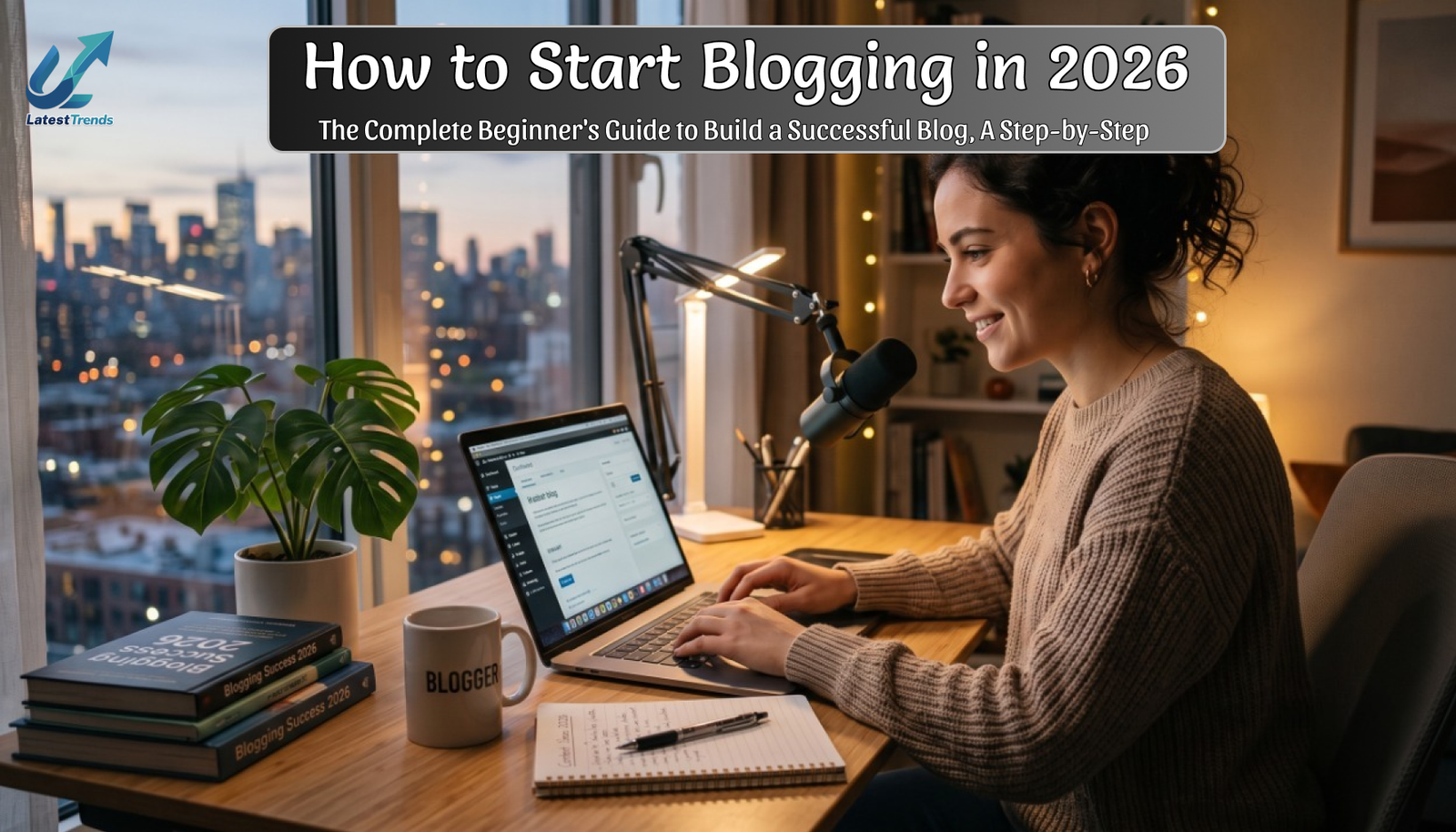
Blogging continues to be one of the most rewarding ways to build an online presence, share knowledge, and create multiple income streams. Whether you want to write about technology, travel, finance, food, education, business, or artificial intelligence, a well-planned blog can grow into a valuable digital asset over time.
In 2026, blogging is no longer just about publishing articles. Successful bloggers combine high-quality content with search engine optimization (SEO), user experience, email marketing, social media, and AI-powered tools to reach a wider audience.
If you’ve been wondering how to start a blog from scratch, this comprehensive guide walks you through every stage—from selecting the right niche and setting up your website to publishing optimized content and earning your first income.
Why Blogging Is Still Worth Starting in 2026
Many people assume blogging has lost relevance because of social media and short-form videos. In reality, search engines still send billions of visitors to blogs every month, and readers continue to look for in-depth answers to their questions.
A blog offers benefits that social platforms alone cannot:
- You own your content and website.
- Search traffic can bring visitors for years.
- A blog can support multiple income streams.
- It builds authority in your niche.
- Businesses and brands value blogs for lead generation.
- High-quality articles can rank on search engines and appear in content discovery platforms.
With consistent effort, blogging can become a long-term business rather than just a hobby.
Step 1: Choose a Profitable Blogging Niche
Your niche determines the type of audience you attract and the topics you’ll cover.
Popular evergreen niches include:
- Technology
- Artificial Intelligence
- Gadgets
- Smartphones
- Business & Finance
- Investing
- Education
- Travel
- Food & Recipes
- Health & Fitness
- Digital Marketing
- Startups
- Online Income
- Automobiles
- Apps & Software
- Entertainment
- Sports
Choose a niche that combines:
- Personal interest
- Search demand
- Monetization potential
- Long-term content opportunities
Avoid selecting a niche solely because it is trending. Instead, focus on topics you can consistently write about and expand over time.
Step 2: Pick the Right Domain Name

Your domain name is your brand identity.
Tips for choosing a great domain:
- Keep it short and memorable.
- Use easy-to-spell words.
- Avoid numbers and hyphens.
- Preferably,
.comif available. - Include a relevant keyword naturally if it fits your brand.
A strong domain helps readers remember your site and builds trust.
Step 3: Buy Reliable Web Hosting
Fast and secure hosting improves user experience and search engine rankings.
Look for hosting that provides:
- High uptime
- SSD or NVMe storage
- Free SSL certificate
- Daily backups
- Strong security
- One-click WordPress installation
- Responsive customer support
Choosing reliable hosting from the beginning can prevent many technical issues as your blog grows.
Step 4: Install WordPress
WordPress powers a large share of websites on the internet because it is flexible, beginner-friendly, and highly customizable.
After installing WordPress:
- Set your site title.
- Configure permalink settings.
- Install a lightweight theme.
- Create essential pages.
- Add security measures.
Step 5: Install Essential Plugins
Plugins add useful features to your blog.
Consider installing plugins for:
- SEO
- Caching
- Security
- Image optimization
- Contact forms
- Backups
- Analytics
- Spam protection
Only install plugins that you genuinely need to keep your site fast and secure.
Step 6: Design a User-Friendly Website
A clean design improves both user experience and search rankings.
Focus on:
- Mobile responsiveness
- Fast loading speed
- Easy navigation
- Readable fonts
- Clear headings
- Logical categories
- Search functionality
Readers should be able to find information quickly without unnecessary distractions.
Step 7: Plan Your Content Strategy
Successful blogs publish content with purpose.
Create content around:
- Beginner guides
- Tutorials
- Product reviews
- Comparisons
- How-to articles
- Lists
- Industry news
- Frequently asked questions
- Case studies
Build a content calendar to stay consistent and cover topics systematically.
Step 8: Write SEO-Friendly Blog Posts
Each article should solve a specific problem or answer a common question.
Best practices include:
- Use one primary keyword naturally.
- Add related keywords throughout the article.
- Write compelling headings.
- Include a clear introduction.
- Break content into short sections.
- Use bullet points and tables where appropriate.
- Add internal links to related posts.
- Cite trustworthy sources when necessary.
- End with a strong conclusion and call to action.
High-quality, original content remains one of the strongest ranking factors.
Step 9: Optimize Images
Images improve engagement and can also generate traffic through image search.
Remember to:
- Compress images for faster loading.
- Use descriptive file names.
- Add meaningful alt text.
- Maintain consistent dimensions.
- Avoid oversized files.
Visual content should enhance the article rather than slow down the page.
Step 10: Publish Consistently
Consistency builds trust with readers and search engines.
A practical publishing schedule might be:
- 2–3 high-quality articles per week for beginners.
- Increase frequency as your workflow improves.
- Update older articles regularly to keep information current.
Quality should always take priority over quantity.
Step 11: Promote Your Blog
Publishing is only the first step. Promotion is essential to attract readers.
Promote your articles through:
- Search engine optimization
- Email newsletters
- Social media platforms
- Online communities
- Guest blogging
- Collaborations
- Content repurposing into videos or infographics
The more channels you use strategically, the greater your reach.
Step 12: Monetize Your Blog

Once your blog gains traffic, there are several ways to generate income:
Display Advertising
Earn revenue by displaying ads on your website.
Affiliate Marketing
Recommend products or services and earn a commission for qualified sales.
Sponsored Content
Partner with brands to publish sponsored articles or reviews.
Digital Products
Sell eBooks, templates, checklists, or design assets.
Online Courses
Create educational content for your audience.
Consulting or Freelance Services
Offer your expertise directly to clients.
Diversifying income sources reduces dependence on any single monetization method.
Common Blogging Mistakes to Avoid
Many beginners slow their growth by making avoidable mistakes.
Watch out for:
- Choosing a niche without research.
- Publishing inconsistent content.
- Ignoring SEO fundamentals.
- Copying content from other websites.
- Writing only for search engines instead of readers.
- Using too many plugins.
- Neglecting website speed.
- Failing to update older posts.
- Not building an email list.
Learning from these mistakes early can save time and improve long-term results.
Blogging Tools That Can Improve Productivity
Helpful tools include:
- Keyword research tools
- Grammar and proofreading software
- AI writing assistants (used responsibly)
- Image editing tools
- Analytics platforms
- Email marketing services
- Project management applications
These tools should support your workflow—not replace your own expertise and creativity.
How Long Does It Take to Earn From Blogging?
Blogging is a long-term investment. While some blogs begin earning within a few months, many require six to twelve months of consistent publishing before generating meaningful traffic and revenue.
Factors that influence growth include:
- Content quality
- Search intent alignment
- SEO optimization
- Competition
- Backlink profile
- User experience
- Publishing consistency
Patience and continuous improvement are key.
Tips to Grow Your Blogging Faster
- Publish comprehensive, original articles.
- Focus on topics with lasting search demand.
- Improve page speed.
- Build internal links between related posts.
- Update content regularly.
- Create helpful visuals.
- Encourage newsletter subscriptions.
- Analyze performance data and refine your strategy.
- Build topical authority by covering related subjects in depth.
Frequently Asked Questions (FAQs)
Is blogging still profitable in 2026?
Yes. Blogging remains profitable when combined with strong SEO, valuable content, and diversified monetization methods such as advertising, affiliate marketing, digital products, and services.
How much does it cost to start a blog?
The basic costs usually include a domain name and web hosting. Additional expenses, such as premium themes or tools, are optional and can be added as your blog grows.
Can I start blogging without technical knowledge?
Absolutely. Modern content management systems and website builders make it possible for beginners to launch a blog without coding skills.
How many blog posts should I publish?
A consistent schedule of two or three well-researched, high-quality posts each week is a good starting point. Quality and relevance matter more than publishing every day.
Which niche is best for blogging?
Choose a niche that combines your interests with strong search demand and monetization opportunities. Evergreen topics often provide the best long-term potential.
Final Thoughts
Starting a blog in 2026 is an exciting opportunity to build a personal brand, share your expertise, and create sustainable online income. While success doesn’t happen overnight, a blog built on original content, thoughtful SEO, and a genuine commitment to helping readers can continue attracting visitors for years.
Focus on solving real problems, writing consistently, and improving your site over time. As your content library grows and your authority increases, you’ll be better positioned to earn through advertising, affiliate marketing, partnerships, and digital products. Every successful blogger started with a single post. The best time to begin is now—and the key is to keep learning, publishing, and adapting as your audience grows.